
KEE/PDS Přenosové a distribuční sítě - Transmission and distribution grids
Osnova sekce
-

ESF II project of University of West Bohemia
reg. number: CZ.02.2.69/0.0/0.0/18_056/0013239
KEE/PDS Transmission and distribution grids
This work is licensed under a Creative commons 4.0 BY-SA license

Dear students,
welcome to the course that deals with the transmission and distribution networks, including industrial networks. The aim of the course is to introduce students with the concept and operation of electrical grids, trends and topical issues. The course also deals with the quality of supply, both from the point of view of customers and distribution system operators.
-
The course is divided into thematic blocks. The thematic block contains a presentation or other study materials. An important part is also a list of questions that you should be able to answer after studying the study materials. These questions do not form the basic level of your knowledge for the exam, but serve to check your self-study....
-
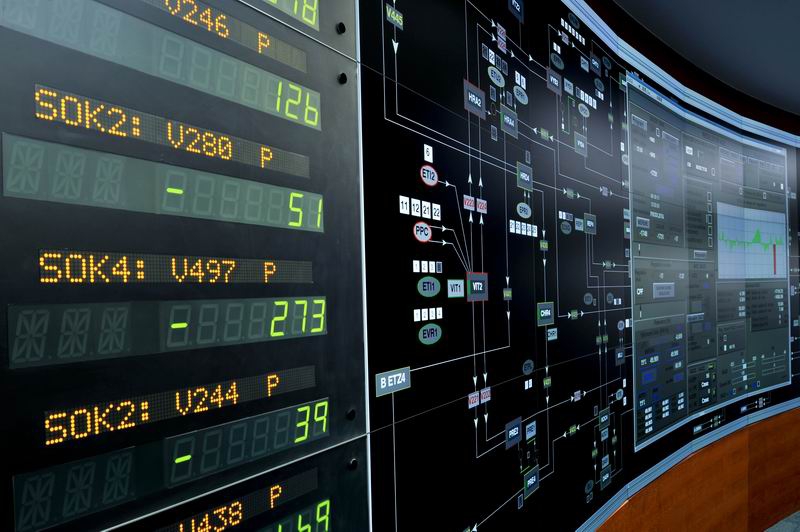 Structure of electric power system
- Components of electric power system
- Specification of Czech power system
- Transmission and distribution systems
-
 theory - passive parameters, equivalent circuits, wave impedance, natural power, charging power, line transmission capacity
- overhead lines (OHL) - properties, application, elements of overhead lines
- cables - properties, application, types of cables, cable marking, components
-
Detailed information you can find in books:
Schavemaker - Electrical Power System Essentials, chapter 3.8 Power carriers (OHL, cables)
Metha - Principles of Power Systems - theory (chapters 9.1 - 9.3, 10.1 - 10.4, 10.6 - 10.10 without examples), OHL (chapters 8.1 - 8.5, 8.10 -8.11, 8-13 - 8-14) , cables (capters 11.1 -11.6)
-
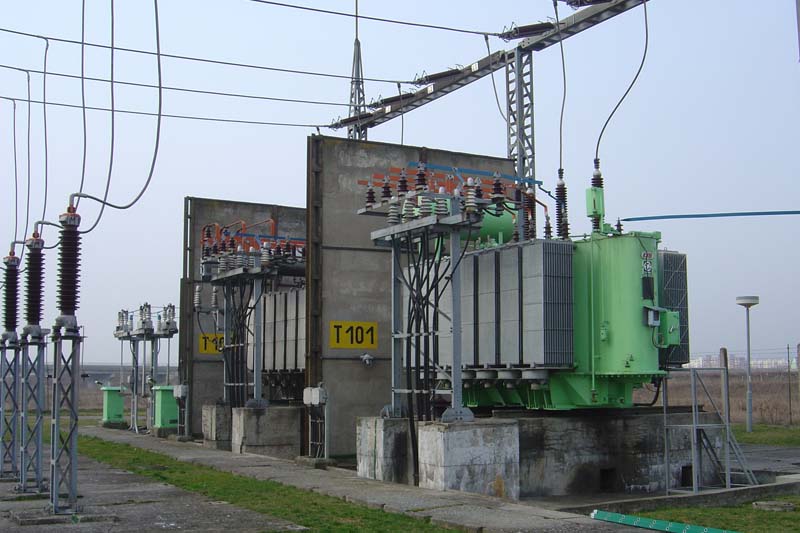 theory - equivalent circuit, transformet ratio and parametres, transformer losses
- division of transformers and their use
- transformer
construction and installation (oil-type, dry-type, indoor, outdoor) -
advantages, disadvantages
- OLTC (on-load tap changer) and off-load transformers
- PST (phase shift transformers) and their use
-
Detailed information you can find in books:
Kock - Practical Power Distribution for Industry, chapters 5.1 - 5.2, parallel operation of transformers
Bayliss - Transmission and Distribution Electrical Engineering - theory (chapters 14.2.1 - 14.2.4), tap changers (chapter 14.2.5), winding (14.3.8 and 14.5.2), cooling (14.4.6 - 14.4.7)
-
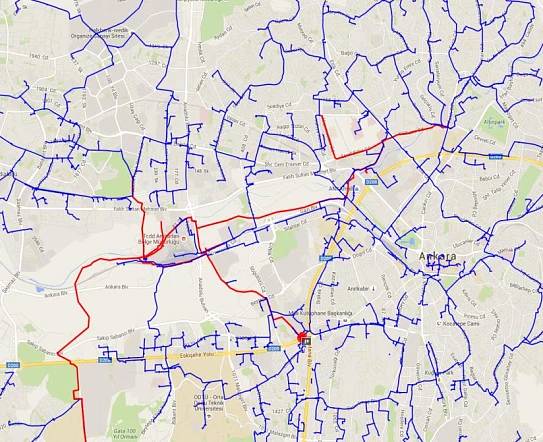 basic network configurations and their features
- application in HV, MV and LV systems
- distribution networks in cities and in industrial plants
-
Basic information you can find in book:
Metha - Principles of Power Systems - chapters 12.7 - 12.9
Detailed information you can find in books:Schlabbach - Power System Engineering, chapters 5.3 and 5.4
-
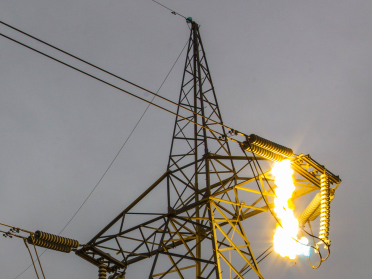 Neutral
earthing/grounding
arrangements (directly earthed, earthed via impedance, isolated neutral)
- Short-circuits
- time behavior of short-circuit current, far- and near-from-generator faults
- fault condition in network with short-circuit
- short-circuit current effects
- rating of equipment with respect of short-circuit effects
- reduction of short-circuits and their effects
- calculation of short-circuit currents
- fault condition in network with earth fault
- calculation of fault current
- earth-fault current compensation
-
Detailed information you can find in book:
Kasiski - Short Circuits in Power Systems, chapters 1 (theory), chapters 13 and 14 (rating)
-
Detailed information you can find in book:
Kasiski - Short Circuits in Power Systems, chapters 8 and 18
-
Basic information you can find in book:
Metha - Principles of Power Systems - chapters 26.4 - 26.11 + Examples
Detailed information you can find in book:Kasiski - Short Circuits in Power Systems, chapters 7
-
-
-
Detailed information you can find in books:
Bollen – Understanding Power Quality Problems, chapter 1
Lakervi - Electricity Distribution Network Design, chapters 12 and 13
Dugan: Electrical Power System Quality, chapters 1 and 2, 5, 6.1-6.7, 7
-
Learn about Power flow, Sags, Dips, Phase rotation, Harmonics, Flicker and more.
-
 Quality of Supply, Voltage Quality