From exclusion through segregation to inclusion
| Website: | Moodle ZČU |
| Kurs: | KPG/INED - Inclusive education |
| Buch: | From exclusion through segregation to inclusion |
| Gedruckt von: | Nepřihlášený host |
| Datum: | Sonntag, 8. November 2026, 17:40 |
1. Historical background
In general, the major population had always to deal with its relationship to individuals (and groups) with special needs (various kinds of disabilities etc.). In literature, we often encounter the periodization of society's approaches to these persons as a way from mostly negative approach (exclusion, segregation, discrimination...) to the positive and welcoming attitude. In fact, there were rather the certain prevailing tendencies in society's attitudes towards the disadvantaged individuals or groups in specific historical stages, although the range of behavior manifestations towards these people has always been more varied.
Education of individuals with SEN started in systematic way since 18th century - but as a segregative form of schooling and care. The following period is sometimes referred to as Rehabilitation approach. The connection of treatment with upbringing and education was characteristic especially for period of the turn of the 19th and 20th centuries and it was the time of bulding large facilities of institutional care.
So called Preventive and integrative approach was implemented in many countries after the World War II, in relation of human rights movement. Integration of persons with special needs into the major society was undoubtedly very progressive tendency, but only a part of these people had been able to meet expectations and norms of the majority. In the name of prevention, we have to deal with frequent termination of pregnancy of a fetus with disability, and there are many other ethics issues that remain unresolved to this day like still prevailing medical view on people with special needs and their social stigmatization (labeling, etc.).
Watch the video and notice some important reasons for moving to inclusive approach after the previous models of dealing with people with disabilities: |
2. Roots and development of inclusion in education
Inclusive approach can be characterized as completely natural integration of people with special needs into the major society - or we could say that these people are not excluded from the major population at all. Therefore pupils with special needs are educated in mainstream schools together with their peers, and no special and non-standard tools are used in their education unless it is absolutely necessary.
Since The UNESCO Salamaca Statement (Salamanca, Spain, 1994), usually referred to as the initiating document for the current wave of inclusive trends, the inclusion in education is considered more or less global trend, and international cooperation and experience exchange is accelerating the process of positive social change in many countries at the same time.
On the other hand, even in this approach we may find some risks or challenges, but there is no better form of coexistence of the intact (unaffected) population with individuals with special needs known today. It just takes a time learn how to live together, and it is always a question of the relationship of one individual person with another. Most people need to change their mind, values and ingrained patterns of their behavior.
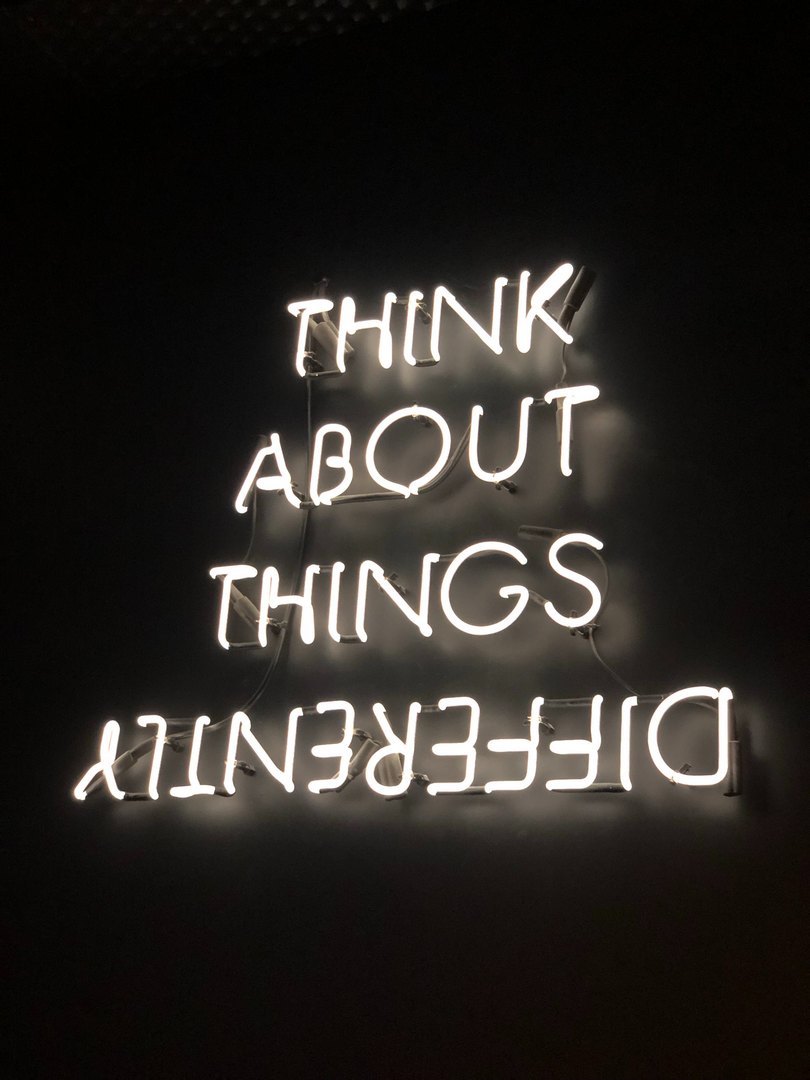
(Photo by Ivan Bertolazzi from Pexels)