National and international anchoring of inclusive education
| Stránky: | Moodle ZČU |
| Kurz: | KPG/INED - Inclusive education |
| Kniha: | National and international anchoring of inclusive education |
| Vytiskl(a): | Nepřihlášený host |
| Datum: | neděle, 8. listopadu 2026, 23.27 |
1. International documents and declarations
After the Universal Declaration of Human Rights and Freedoms (United Nations, 1948), many international declarations and conventions have been issued in the last seventy years which apply to persons with different types of disabilities. Although they are not legally binding documents, they inspired national legislations to comply these important agreements. In practice, each contracting country should implement general resolutions of these documents into their own legal regulations that affect different areas of life of people with special needs in everyday life.
The most important milestones and international declarations concerning people with special needs
- 1971 - UN Declaration on the Rights of Mentally Retarded Persons
- 1975 - UN Declaration on the Rights of Disabled Persons
- 1993 - UN Standard Rules on the Equalization of Opportunities for Persons with Disabilities
- 1994 - The Salamanca Statement and Framework for Action on Special Needs Education (UNESCO)
- 2002 - Madrid Declaration (“Non-discrimination plus positive action equals social inclusion”)
- Madrid)
- 2006 - UN Convention on the Rights of Persons with Disabilities
Read Article 3 of the UN Convention on the Rights of Persons with Disabilities, and choose three of general principles which you consider the most important of all: |
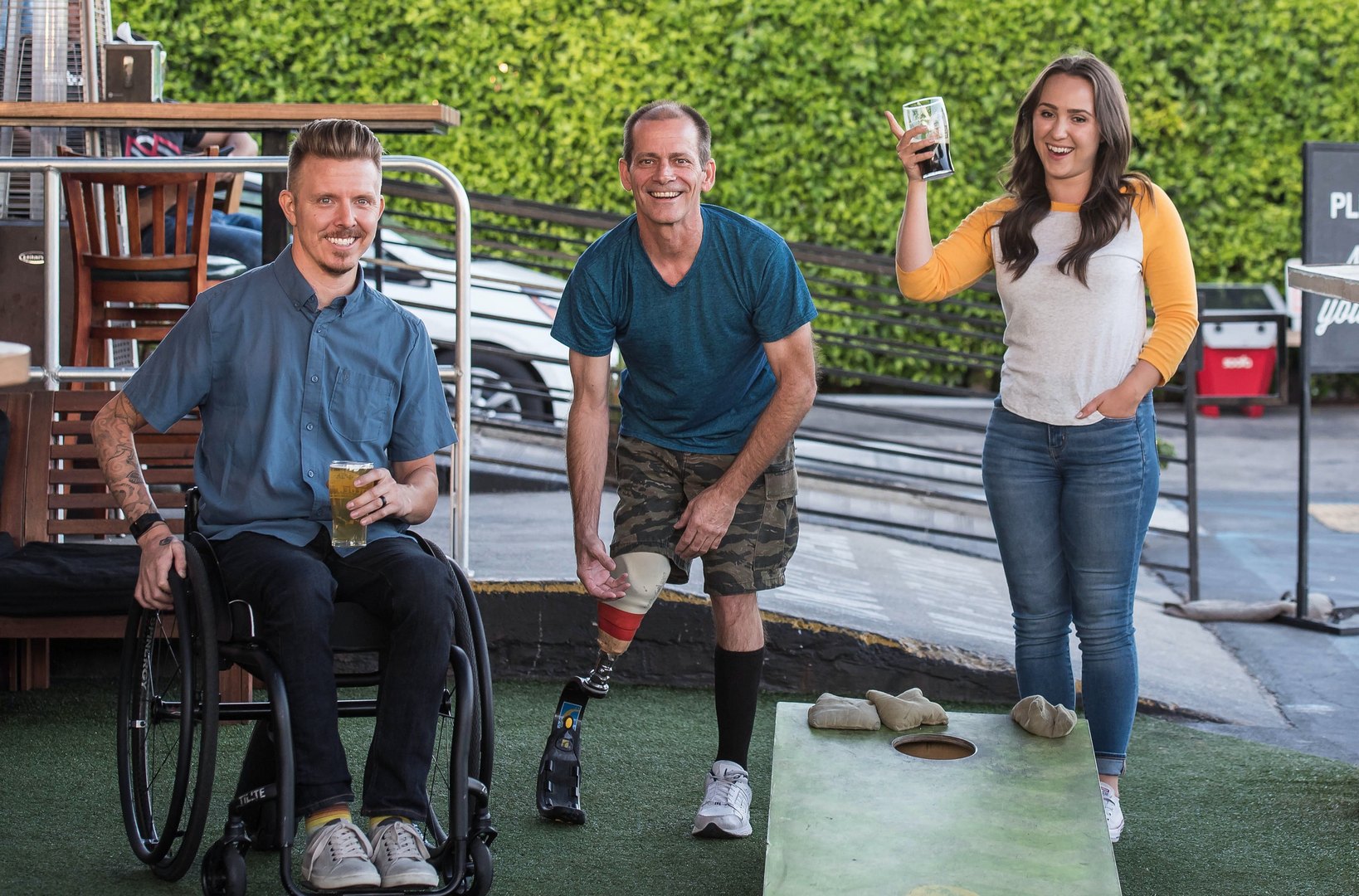
(Photo by Elevate from Pexels)
2. National legislation for inclusive education (Czech Republic)
The education and development of a child does not begin with his/her entry into the school system, but in fact at the a time of birth (and even the prenatal period is being considered today). Especially for the child with special needs it is extremely important to start as soon as possible with special care and support that can help significantly reduce the level of future disadvantages in the field of education. Thus, we should mention the early-care programmes which are mostly implemented as a part of social services, not a part of regular school system.
Asf or the school education, we may find a strong inclusive approach in Czech educational system, which has been legally applied since 2016, altghough there were some pro-inclusive school laws approved already in 2005. Nowadays, the Act 561/2004 ("School Law") is applied, which has been updated in 2015 in terms of a stronger inclusive ephasis. This law is followed by the Decree 27/2016 on Education of Pupils with Special Educational Needs and Gifted Pupils, which defines the system of support tools for education of these pupils. Let's take a look at overview of educational opportunities for pupils with SEN.
Preschool education
Children with special educational needs in age between 3-6 are allowed to attend either the mainstream or special kindergarten. In case that parents want to choose the special facility (kindergarten), the official diagnostics and recommendation from School Counseling Center is necessary.
Primary education
In Czech Republic, children have to start the compulsory school attendance in age of 6, although some pupils with SEN are allowed to start one year later. Education in mainstream schools is preferred for all, and only those with severe disabilities may get recommendation to attend the special schools.
Secondary education
Secondary school aplicants have to successfully pass the entrance exam. Although the students with SEN may request the appropriate adjustments to the conditions, there is still a big barrier for those with severe disabilities.
Universities
At the university level, the support for students with SEN is not guaranteed by the law, but most universities welcome all students who meet the conditions for admission and provide the study support for those with special needs.
Lifelong education
Although the lifelong learning is a common trend, it's not easy for many people with disabilities and disadvantages to reach for the opportunities usually offered, although for some of them the continuing education is almost a vital necessity.
Watch the video and notice some barriers of inclusive education of Roma children in Czech schools (switch the English subtitles on): |