Multiple handicap and communication
| Site: | Moodle ZČU |
| Course: | KPG/CPDI - Communication with people with disabilities |
| Book: | Multiple handicap and communication |
| Printed by: | Nepřihlášený host |
| Date: | Sunday, 8 November 2026, 5:41 PM |
1. Communication with deaf-blind persons
| “Blindness separates people from things; deafness separates people from people.” - Helen Keller (probably the most world famous deaf-blind American woman, 1880–1968) |
Deaf-blindness means a combination of both sensory disabilities and it creates a very specific situation, as the deaf and blind people cannot use either of the two senses and must find or develop completely different means of communication, usually based on touching and tactile perception. Some deaf-blind people are not completely deaf or blind; actually, there are very few completely deaf-blind. Usually the deaf-blind have a combination of hearing and visual impairment.
How to communicate with deaf-blind person
- Tactile sign language (when we sign, the deaf-blind person can hold our hands and read individual signs)
- Visualisation of spoken language (expressive pronunciation that can be lip read from a very close range)
- TADOMA system (the deaf-blind person places their thumb on the speaker’s lips and their fingers along the jawline.
- LORM (tactile alphabet: every letter is expressed by moves or touches on an open palm; a special white glove with LORM alphabet could be used as a template)
- Other individually prefered systems
All of these systems require unusual nearness and tactile contact. Therefore one must tolerate stepping over psychological or hygienic boundaries.
You can watch the example od using TADOMA system on this video:
2. Communication with people with physical disability and speech disorders
Cerebral Palsy (CP)
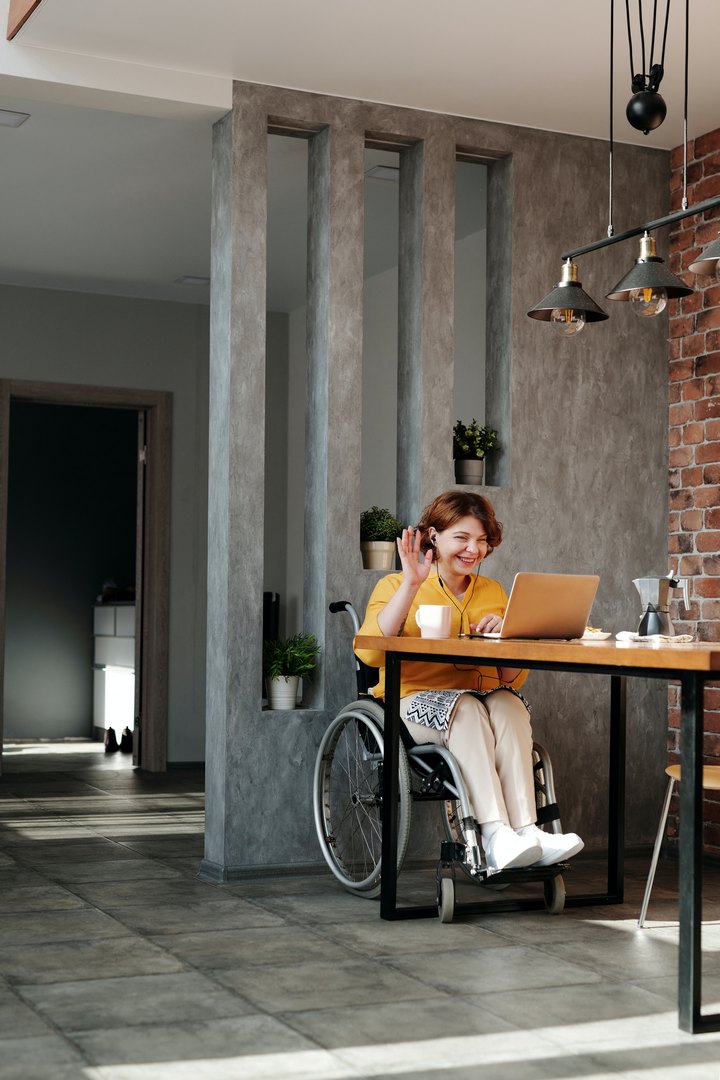
Among inborn impairments, the most frequented one is Cerebral Palsy, caused by serious brain damage either during the prenatal stage delivery or shortly after birth due to lack of oxygen or mechanical damage. Cerebral palsy mainly affects movement of an individual. Impaired movement could have different forms. Sometimes, there is apparent inability to move fast, make precise movements, or to coordinate. Other times, people with cerebral palsy need special walking aids such as sticks or crutches or even wheelchairs.
Speech is usually affected because facial muscles are harder to control and cause articulation problems. Sometimes, the illness affects also the intensity and rhythm of breathing and/or swallowing. The majority of people with cerebral palsy suffer with more or less severe intellectual disability and quite often struggle with various vision impairments (i.e. squinting). The only working therapy is movement training. Orofacial stimulation, a method which improves facial muscle control, is also being used besides some other therapies.
(Photo by Marcus Aurelius from Pexels)
Cerebrovascular Accidents (CVA)
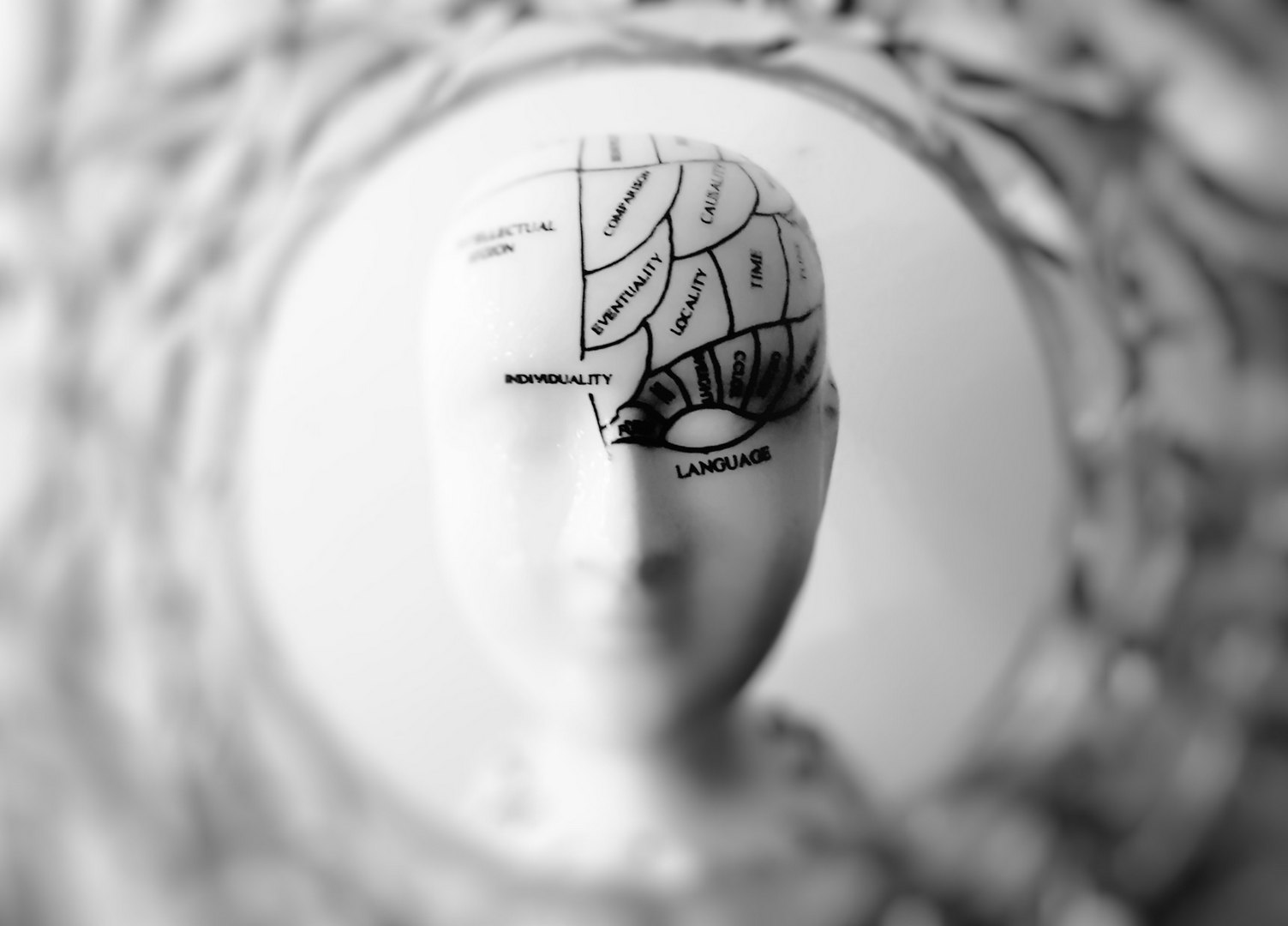
Partial or complete paralysis might be also caused by cerebrovascular accidents (CVA, “strokes”). Particularly vulnerable are older people; however the age of patients is gradually going down. During cerebrovascular accidents, brain cells are damaged due to blockage or bleeding. CVA affects movement, speaking, understanding and other functions.
The ability to speak and understand might be fully regained (aphasia), but the efficiency of the treatment depends on how extensive the damage was. Other key factors are the age of a patient, a person’s resolve and motivation and the support and cooperation of family and friends.
(Photo by meo from Pexels)