Speech Therapy and the ways to efficient communication
| Sitio: | Moodle ZČU |
| Curso: | KPG/CPDI - Communication with people with disabilities |
| Libro: | Speech Therapy and the ways to efficient communication |
| Imprimido por: | Nepřihlášený host |
| Día: | domingo, 8 de noviembre de 2026, 18:11 |
1. About Speech (Language) Therapy
What is it Speech Therapy?
Speech therapy can help kids od adults with different kinds of speech difficulties as well as language issues, such as:
- Articulation problems- Fluency problems
- Resonance or voice problems
- Oral feeding problems
It can help treat:
- Receptive disorders (trouble understanding / receiving language)
- Expresive disorders (trouble speaking / expressing language)
- Pragmatic language issues (trouble using language in socially appropriate ways).
Speech therapy can improve communication skills in persons (children or adults) with language issues.
Speech therapists must have at least a master’s degree and must be licensed to practice.
Watch the video and notice what does the abbreviation SLCN means:
2. Specific communication strategies
Let's summarize what are the good ways of communication approach to people with any kind of special needs (disabilities and disadvantages). As general recommendations for communicating with persons with any kind of disabilities we may consider following:
|
If communicating with persons with specific kind of disability, we should take into account ither special recommendations regarding their special needs - you can find, read and download the lists of these principles on some reliable website (like ACED or NDCO).
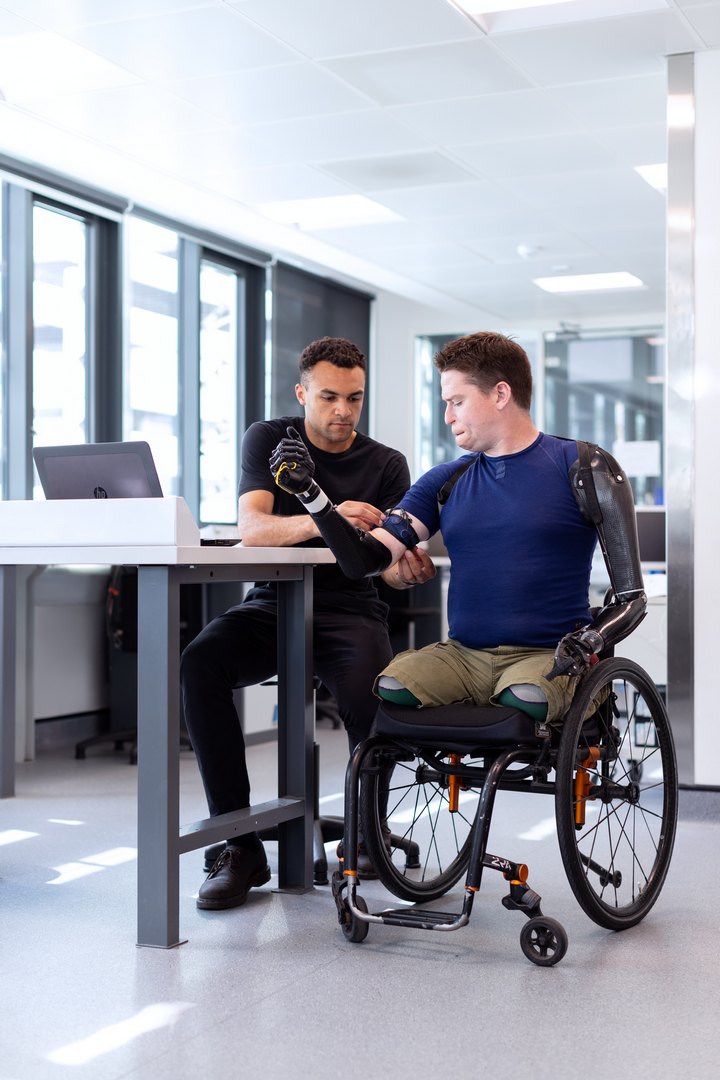
(Photo by ThisIsEngineering from Pexels)