Inclusive relations
| Stránky: | Moodle ZČU |
| Kurz: | KPG/INED - Inclusive education |
| Kniha: | Inclusive relations |
| Vytiskl(a): | Nepřihlášený host |
| Datum: | neděle, 8. listopadu 2026, 19.40 |
1. Relationships in the inclusive schools
This field captures the most important relationships that take place in schools, with the exception of the teacher-student relationships, which are mostly captured in the area of practice. Relationships are formed between two actors (eg teacher-teacher), or as intragroup (eg between teachers), intergroups (eg between teachers and parents); outside and inside the school.
In the area of relations, emphasis is placed on the nature of these relationships, whether they are based on mutual trust, openness and freedom.
Selected basic indicators of the quality of inclusive relationships are as follows:
- The school can be characterized as a "community center" of the locality.
- Teachers regularly visit each other in the classroom.
- The relationship between teachers and parents can be characterized as a partnership at school.
- School management regularly shares and consults with teachers on their decisions and visions.
Read this article and notice what can help to build good relationships in the classroom: |

(Photo by fauxels from Pexels)
2. Inclusive school climate
School climate (social climate of the school) can be defined as established procedures of perception, experience, evaluation and reaction of all actors in the school (pupils, teachers, parents, non-teaching staff) to school events (as social and physical space). The subjective experience of all actors as well as the involvement of all persons who come into contact with the school are important...
School climate includes the following items:
- Quality of teaching
- School values
- Self-reflection
- Rules and responsibilities
- Relationships
- Positive expectations
- Mutual respect and support
Do you know what steps can be effective to prevent bullying at school? |
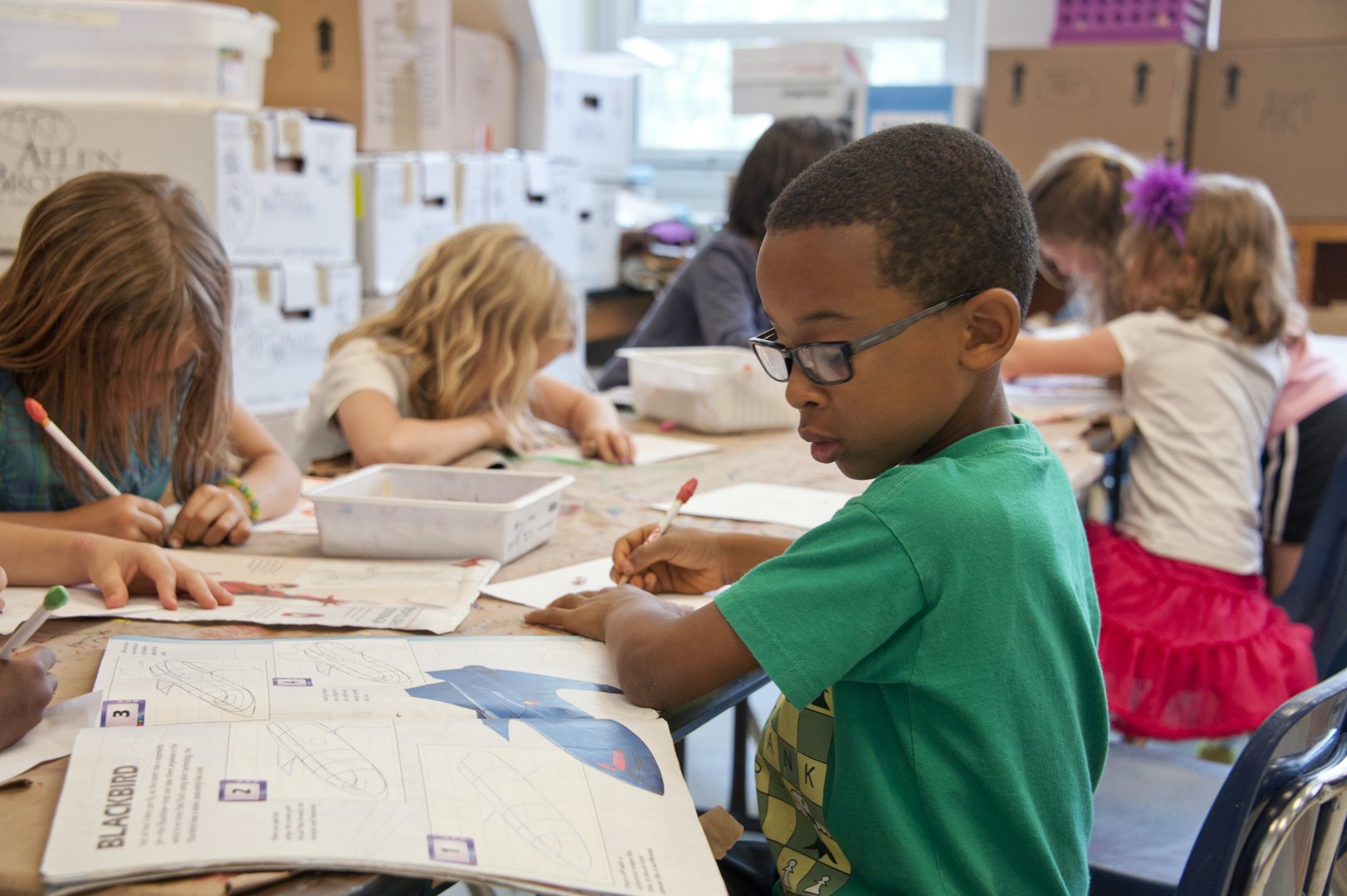
(Photo by CDC from Pexels)
Watch the video and consider the good ways of how to speak about the pupils with special educationl needs: |