The oldest geological history of Excursion localities
| Stránky: | Moodle ZČU |
| Kurz: | CBG/KEEX - Krajinně-ekologická exkurze |
| Kniha: | The oldest geological history of Excursion localities |
| Vytiskl(a): | Nepřihlášený host |
| Datum: | neděle, 8. listopadu 2026, 22.41 |
Popis
1. Geological age of excursion localities
The landscape in all localities we are going to visit is (as well as the landscape of the rest of the world) result of many processes that formed all landscape components during the time. Perhaps the most distinctive feature of each landscape is its relief. The present-day relief is result of opposing forces - endogenous and exogenous. Endogenous processes forms the rudimental surface that is subsequently re-formed by exogenous processes. This process chain can repeat many times. We will visit five different localities all lying in the Bohemian Massif. The present-day relief of Bohemian Massif is perfect example of this multi-stage relief evolution.
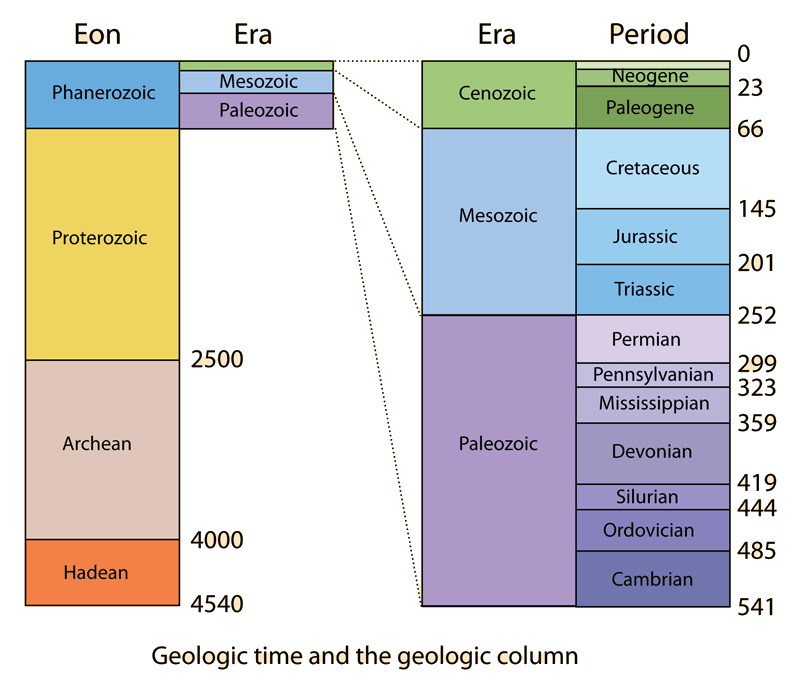
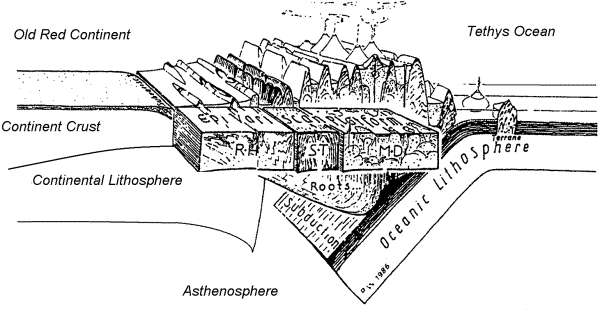
The internal tectonic structure of the Bohemian Massif was formed during the Variscan (Hercynian) orogeny. The Variscan orogeny is a geologic mountain-building event caused by collision between Euramerica (Laurussia - present day North America, the British Isles, northern Germany, Scandinavia, western Russia) and Gondwana (present day South America, Africa, Antarctica, Australia) that formed the Pangaea supercontinent during Late Paleozoic.
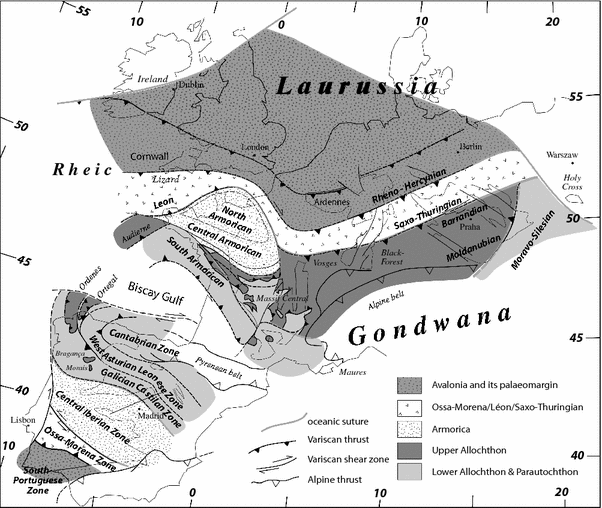
During the Variscan orogeny, long belt of mountains emerged. Parts of this mountain range is preserved as mountains of Portugal and Spain (Galicia, Pyrenees), SW Ireland, Cornwall, Devon; from Brittany, Ardennes, Massif Central, Vosges to Corsica and Sardinia. The Rhine Massif, Black Forest and Harz emerged during this orogeny in Germany. Variscan core in the Alps consists of Mercantour, Pelvoux, Montblanc and Aar Massif. The European chain of Variscan mountains terminates in Dinarides and Greek mountains.
Dimensions of the newly formed mountain range can be compared to present-day Himalayas. Exogenous processes subsequently eroded kilometers of height and formed the flat surface that has been broken into blocks and uplifted into the various elevation during the Alpine orogeny.
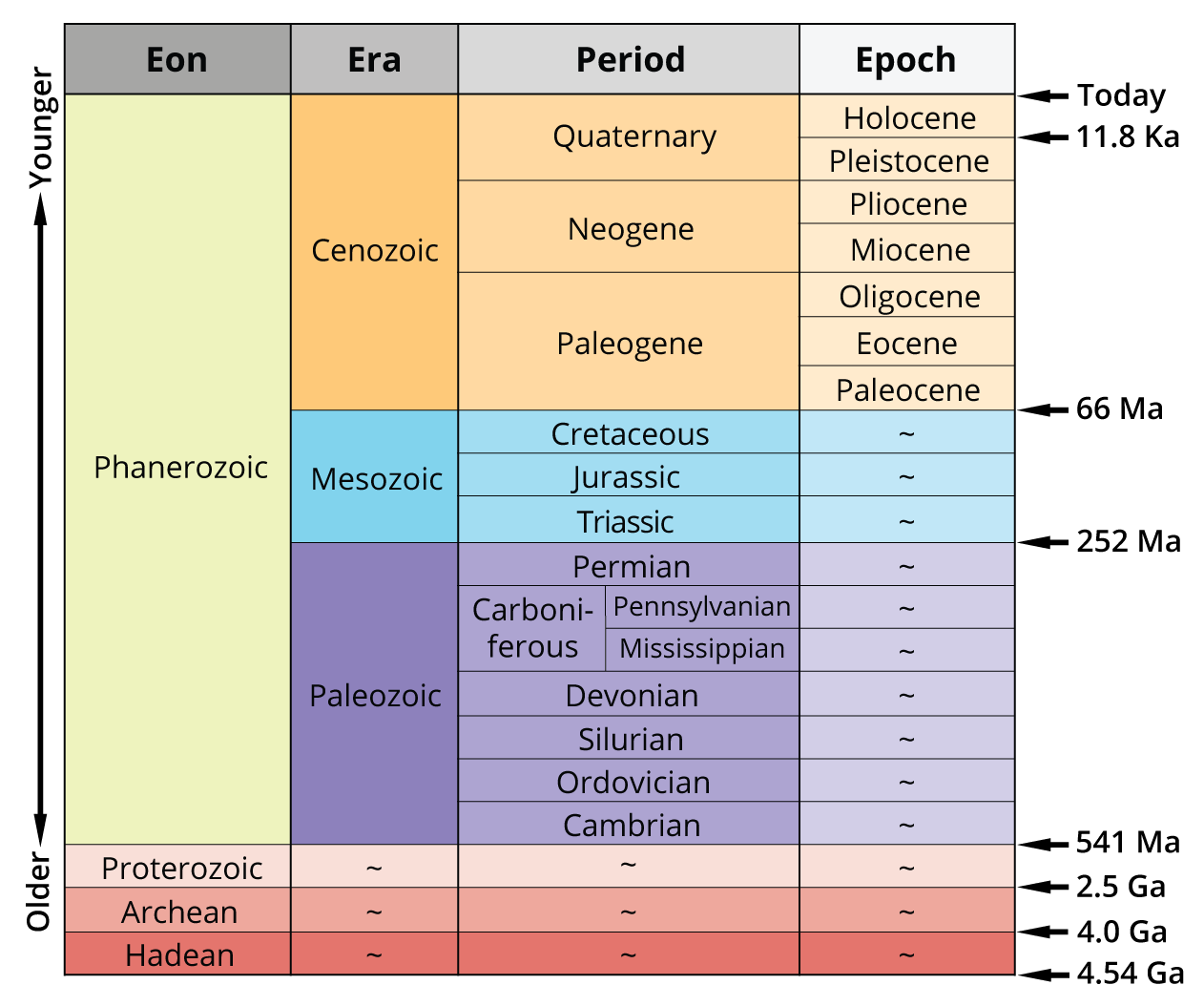
Variscan orogeny took place during Late Paleozoic; Alpine orogeny took place during the Late Mesozoic.