Specifics in education of pupils with SEN
| Stránky: | Moodle ZČU |
| Kurz: | KPG/INED - Inclusive education |
| Kniha: | Specifics in education of pupils with SEN |
| Vytiskl(a): | Nepřihlášený host |
| Datum: | pondělí, 9. listopadu 2026, 16.31 |
1. Pupils with sensory impariments
Pupils with the visual impariment
Materials, desks, and other objects in the classroom should be maintained in consistent locations. Be sure that cabinets are fully closed, chairs pushed in, and doors are not left half ajar; it may help with safety in navigating the classroom. The teacher's assistant might help with room arrangements and room familiarization.
The pupil with low vision should sit near the front of the room where he can see the blackboard. Control lighting variables when presenting learning materials to those pupils who are sensitive to light and glare. Teacher should use verbal cues with those students who cannot see body movements or physical cues.
One essential key accommodation is access to textbooks and instructional materials in the appropriate media and at the same time as their peers. For pupils who are blind this may mean braille and/or audio (recorded) media. For the pupil with low vision, this may mean large print text or the use of optical devices to access text and/or recorded media while in class.
Pupils with hearing impairment
Pupils with hearing impairment will find it difficult to learn vocabulary, grammar, word order, idiomatic expressions, and other aspects of verbal communication. For pupils who are deaf or have severe hearing losses, use of visible communication modes (such as sign language, fingerspelling, etc.) and/or amplification and aural/oral training can help reduce this language delay.
Pupils with hearing loss use oral or manual methods of communication or a combination of the two:
- Oral communication (includes speech, speechreading and the use of residual hearing)
- Manual communication (involves sign language, fingerspelling, and/or cued speech)
- Total Communication (a combination of the oral method plus sign language, fingerspelling and cued speech)

(Photo by jonas mohamadi from Pexels)
2. Pupils with physical impairments
Many pupils with physical impairments have no cognitive, learning, perceptual, language, or sensory issues. However, individuals with these impairments have a higher incidence of additional impairments. For most of these pupils, the impact on learning is focused on accommodations necessary for them to have access to teaching instruction. The classroom accommodations for pupils with physical impairments will vary dependent on the individual needs of the pupil, while most of these pupils may be included in the general curriculum.
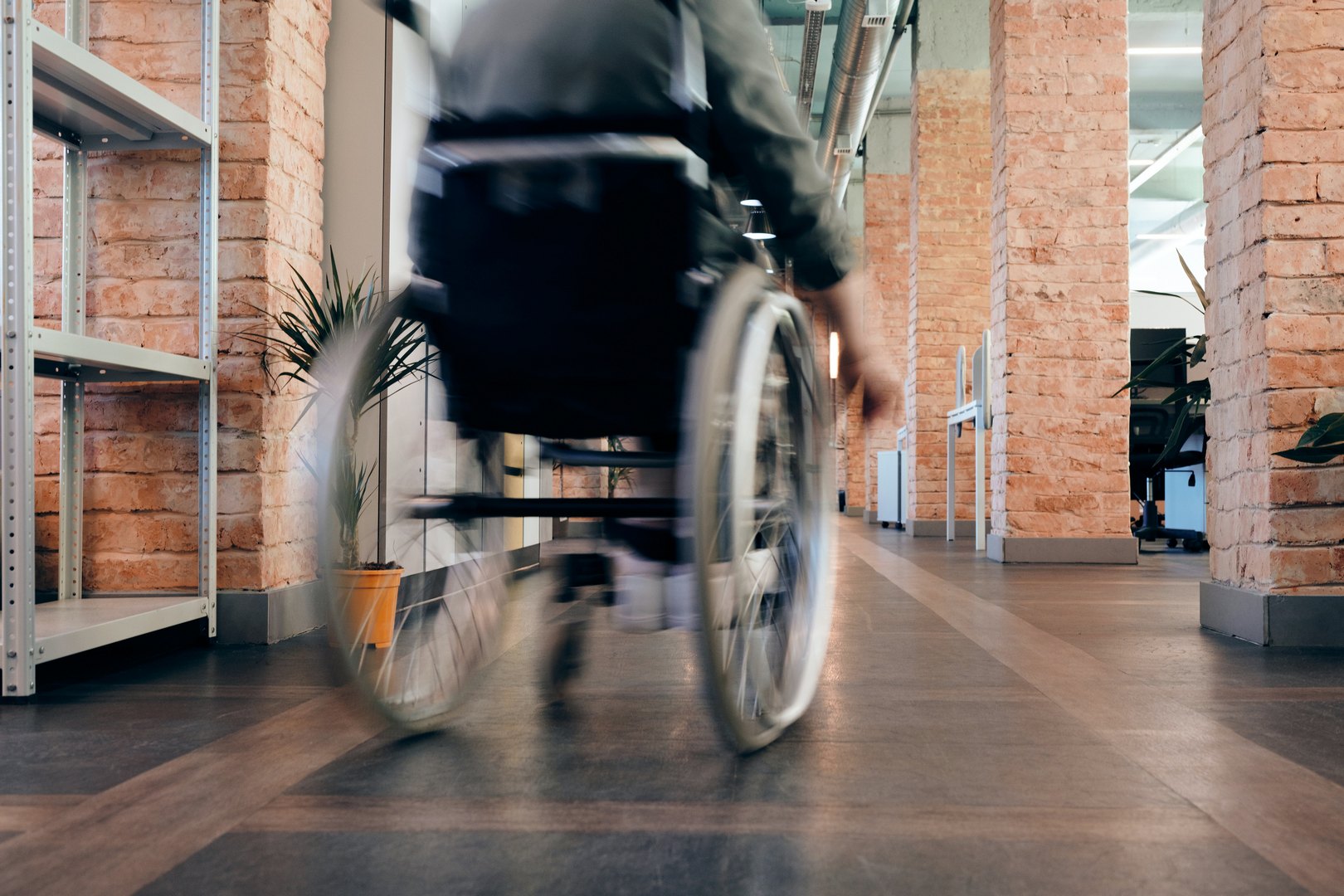
(Photo by Marcus Aurelius from Pexels)
3. Pupils with intellectual disabilities
There are some effective early literacy strategies for these pupils which ties instruction to the specific interests and abilities of the individual child. This also helps support effective self-determination, as a key component of the training.
Breaking down larger tasks into their specific component parts can be an effective technique for teaching any number of skills to pupils with intellectual disabilities. More complex concepts or activities can then be taught over time, and as the pupil masters one part of the task, another is added to the routine. This type of task analysis can be taught using a variety of instructional supports, from physical and verbal prompting to observational learning.

(Photo by Cliff Booth from Pexels)
4. Pupils with autistic spectrum disorders
The teacher must design the classroom and all instructional materials to contain visual supports and cues. Pupils with ASD usually have better visual processing skills and respond well to picture symbols and other visual information. Picture symbols can be used to create a personal visual schedule for the pupil and can be instrumental in minimizing many problem behaviors. Picture symbol cues may be posted in readable areas. The classroom environment itself should have clearly marked delineations between work and leisure areas.
The teacher should also use instructional goals in the daily routines of the pupil. These pupils typically need a great deal of extra practice to master many academic and social skills, and it is necessary to involve parents as tutors in the home setting. Support systems and activities should be as simple as possible to ensure their ready application.
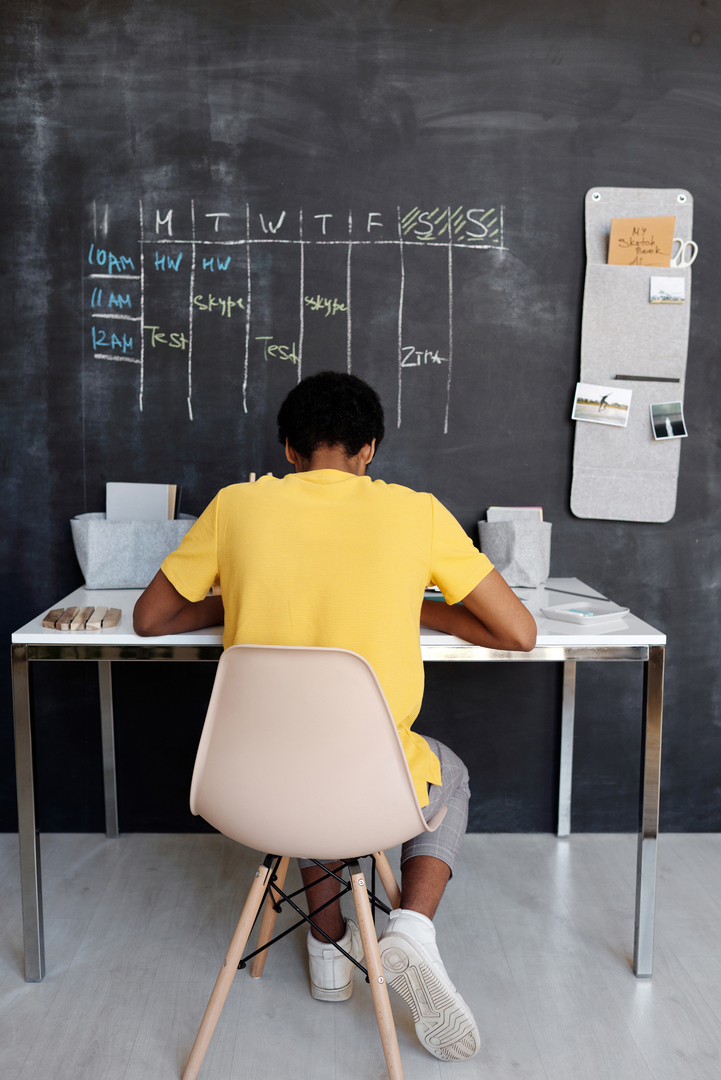
(Photo by Sulia M Cameron from Pexels)
5. Students with specific learning difficulties
There are many different teaching strategies, according to specific issues and needs of the pupil. Some of the most frequent are:
- Breaking long tasks into smaller segments
- Present limited amounts of information on a page
- Gradually increasing the amount of time a student must attend to a task or lecture
- Use prompts and cues to draw attention to important information.
- Giving the pupil more time to read and finish the task
- Tolerating specific mistakes of the student, etc.
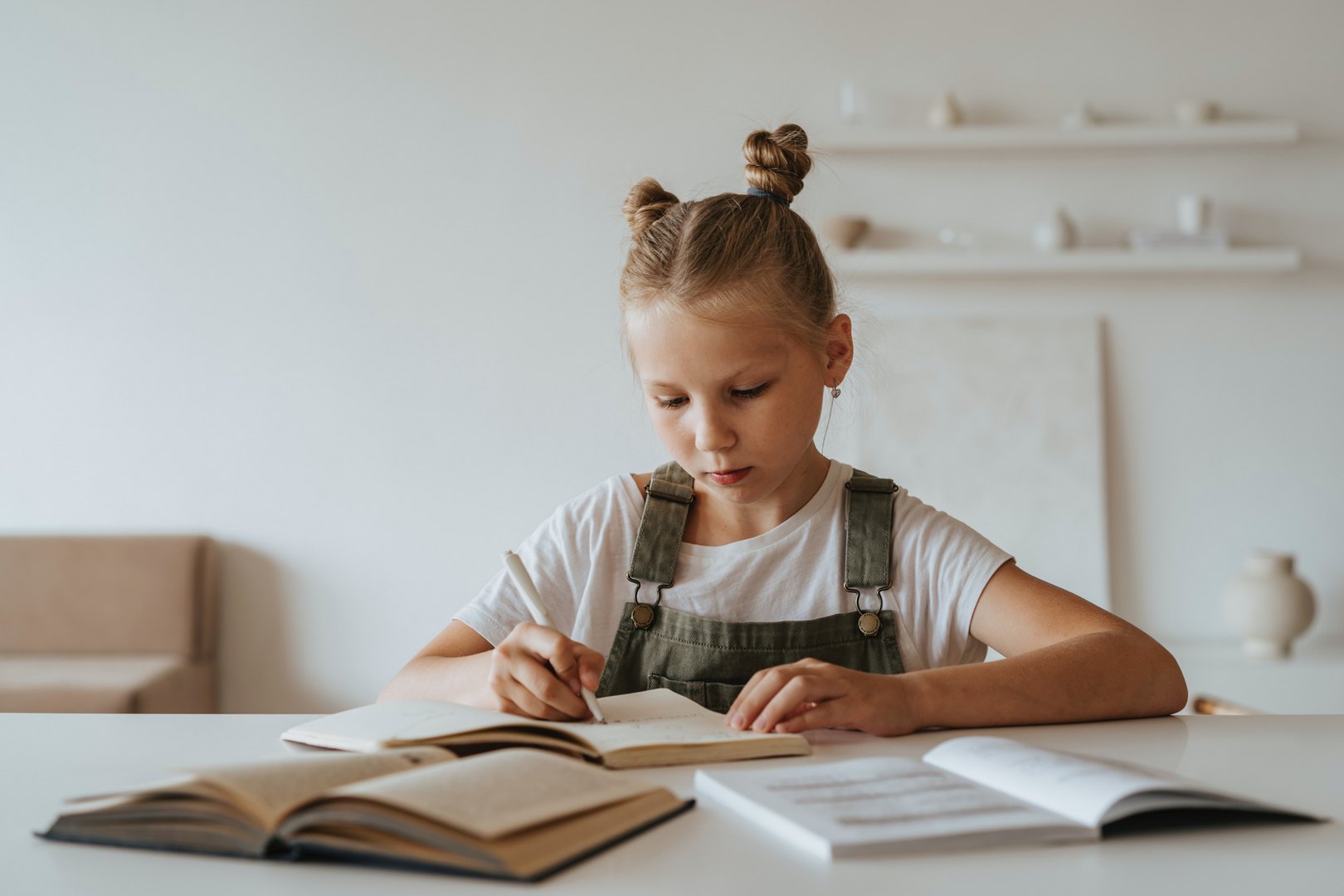
(Photo by olia danilevich from Pexels)
6. Gifted students
Among many strategies for gifted pupils education, the most frequent are usually:
Enrichment - activities are build upon the regular curriculum to offer greater context and a deeper dive into the subject matter. These can be easily implemented in the classroom and pupils with similar abilities can be grouped together to complete activities at their learning levels.
Acceleration - it moves high performing students into a higher grade level which is most appropriate for their grasp of educational subject matter. The pupil may join a group the higher class/graded pupils, or he/she may even skip a grade.
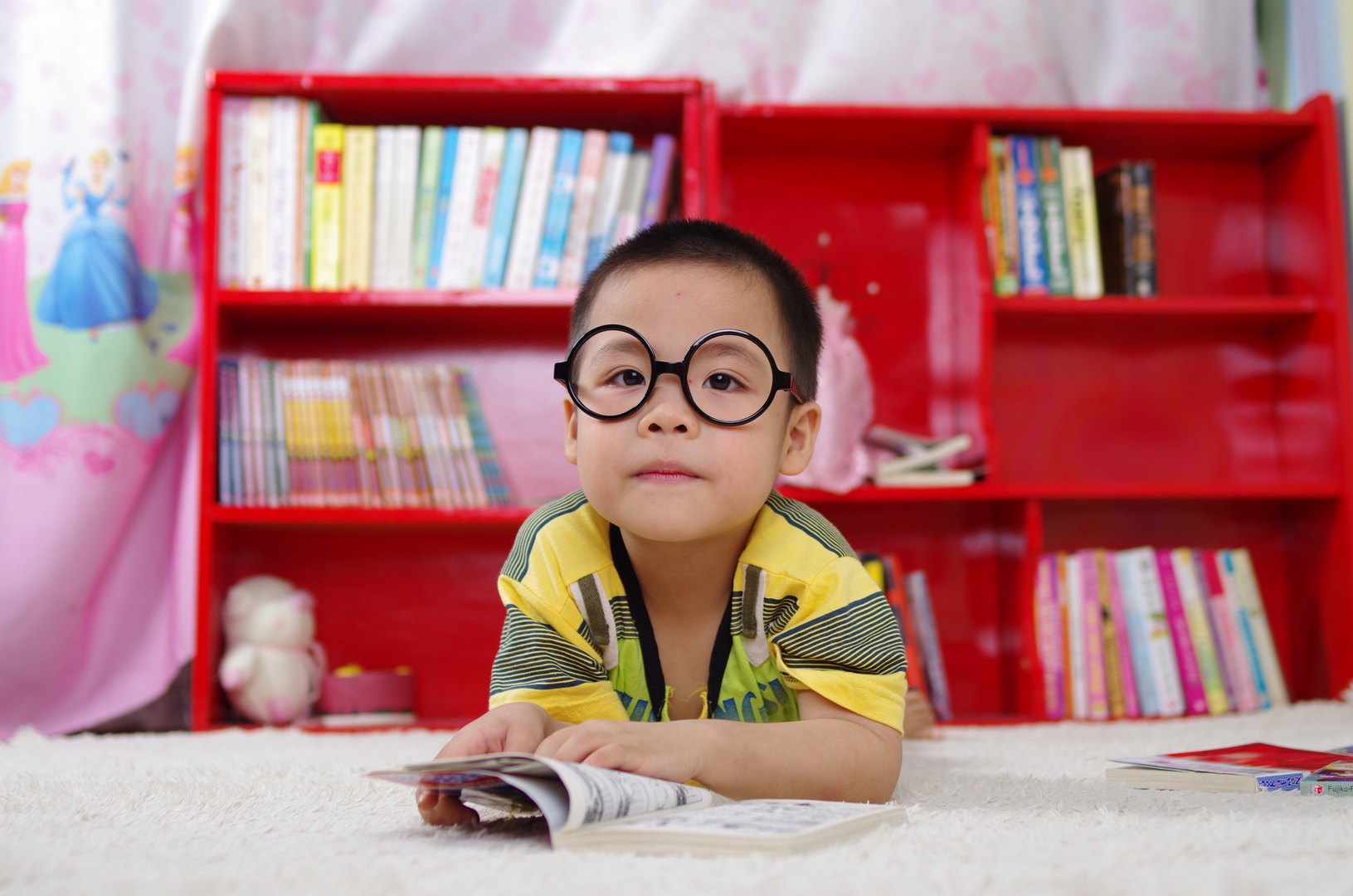
(Photo by Pixabay from Pexels)