
Topic 11: Africa at the beginning of 21st century
Section outline
-
African Diaspora
African Diaspora has ever since played a twofold role in the development of African politics, society, and economy. First, a lot of African families relied on finances sent by their relatives from outside, moreover, many businessmen from the diaspora supported the development in their original homelands through building new hotels, restaurants, schools, libraries, etc. On the other hand, quite a significant number of Africans living in the diaspora began to form opposition movements or at least to accent various problematic issues of political development in Africa.
Many of the members of the diaspora were writers, playwrights, artists, university teachers, and scientists who used their knowledge and talents to form an alternative world to the existing propaganda that many of African authoritarian regimes tended to create in order to keep their power untouched and unchallenged. One such example could be the Somalian author Nurrudin Farah, whose work from the very beginning was aimed to criticize African dictatorial regimes in general, of course, with special focus on Somalia. The same can be said about Ahmadou Kourouma from Côte d’Ivoire, or Nigerian Nobel-prize winner Wole Soyinka.These members of African Diaspora gained a significant audience in the West but had little impact on what actually was happening in their countries of origin due to strong censorship and lack of access to foreign information in general.
Besides these activities, African Diaspora began to form organized movements, associations, and even liberation fronts in order to challenge legitimacy of their respective African governments which were during the ra of the World War II characterized by strong authoritarianism, one-party states, terrible human rights records, and disastrous economic conditions. Diaspora can be perceived in many ways. First, generally as African Diaspora which plays a role of representative of a continent and finds most of its support from the Afro-American community in the U.S. or in generations of immigrants in Western Europe. Second, a huge number of various ethnic diasporas related to their original homelands, states, regions, and nationalities in Africa is to be seen all over America and Europe. Third, diaspora has become a necessary component of a globalizing society, connecting their new and old homelands through various activities and contributing to the development of prosperity to African countries as well as bridging Africa and the West.
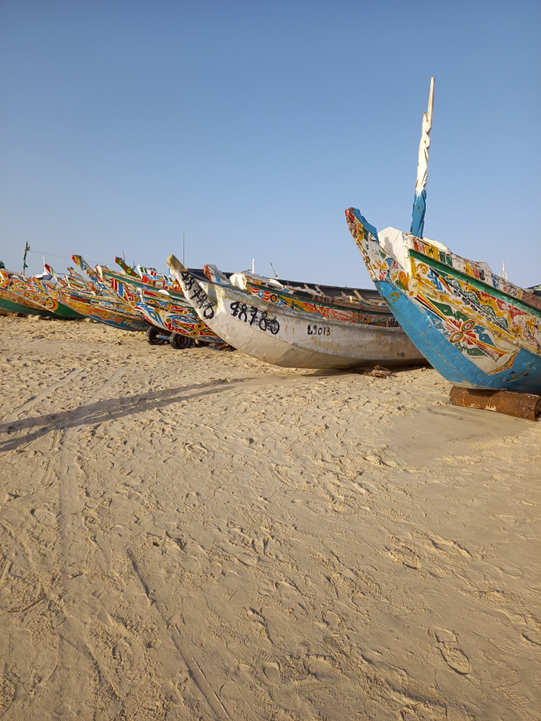
Photo: Jan Záhořík (boats of fishermen and migrant-traffickers in Nouakchott, Mauritania)
-
-
Based on the reading about gatekeeper states in Africa, your task will be to prepare a group project in which two persons will serve as representatives of gatekeeper state and two as diaspora members in need to come back to their country of origin and invest.
-
After reading the texts and watching the movie, be ready for the following:
1) How would you evaluate the higher educational sector in Africa? What are the strengths and weaknesses?
2) What are the main challenges for Africa in the 21st century?
3) What would help Africa to boost its economic growth?
-
It is your task to use all kinds of relevant media sources: BBC, CNN, Al-Jazeera, France24, etc., and to find as many relevant information as possible to the economic growth of Africa, as well as existing economic problems which Africa has to deal with in order to become a significant global actor. When presenting your findings, do not forget to mentioned which sources you used.