
Basic information
2. Where is the Czech Republic
2.3. Geological and geomorphological location
Czech territory is part of two orogeny systems - Variscan and Alpine. From the geological point of view, the Czech Republic is very diverse area covering two geological units - the Bohemian Massif and the Western Carpathians. These units have different age, different tectonic history and different rock composition. The development of the Bohemian Massif involves long period from the Palaeoproterozoic to the recent period. Geological history of this part of the Czech Republic is connected to the Hercynian Western Europe (e.g. Germany or France). The second part - the West Carpathians - is much younger (the Mesozoic to the Cenozoic) and is connected to the other part of teh Alpine orogeny in the southern and Eastern Europe (e.g. the Alps, Pyrenees and Carpathians).
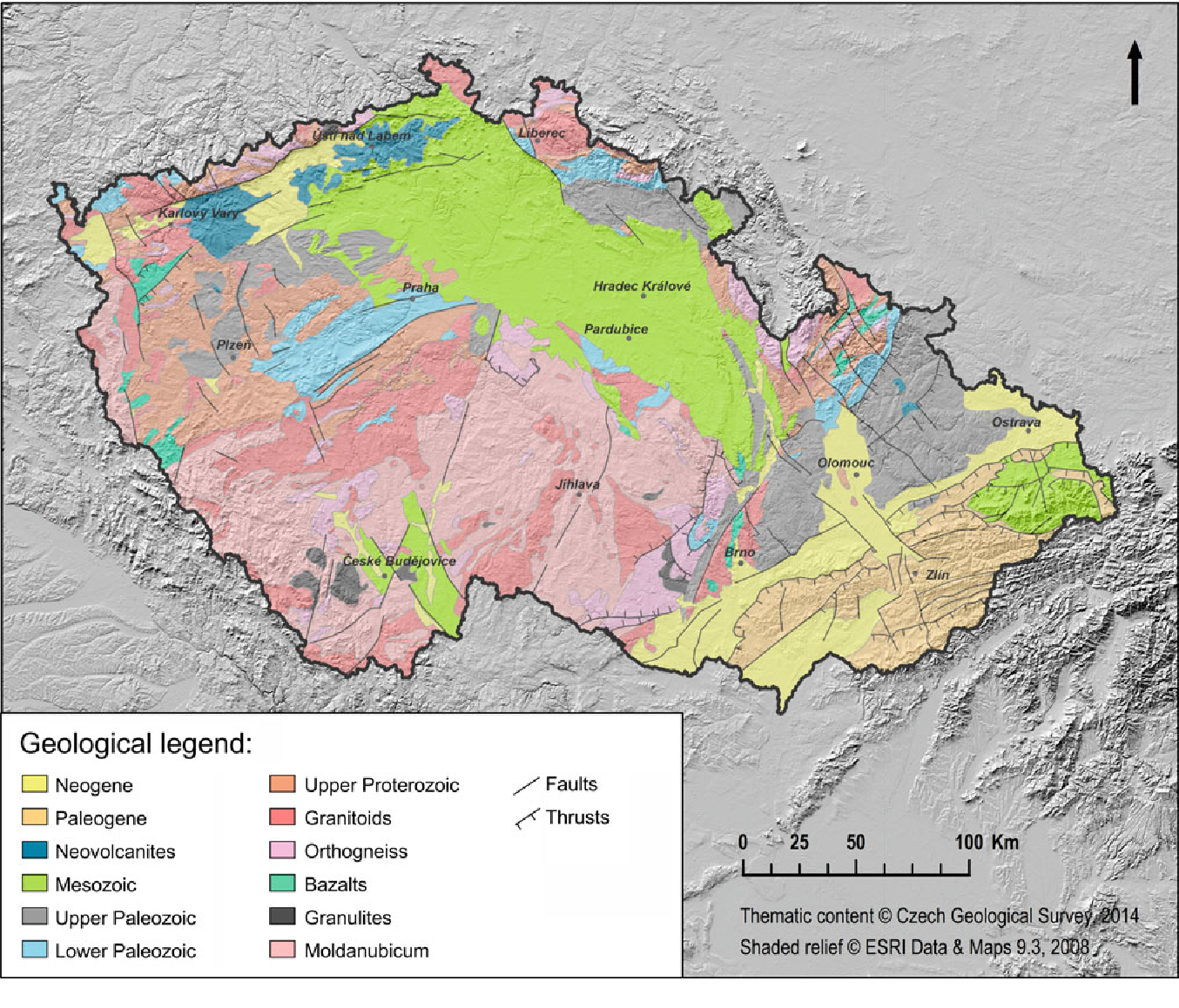
Fig. 1. Simplified geological map of the Czech Republic.
The CR has the landscape full of diverse landforms which are the result of the intersection of Eurasian geotectonic and bioclimatic domains. There is a tundra-like landscape and periglacial and glacial features in Sudetic Mountains, picturesque sandstone landscape in Eastern and Central Bohemia, vineyard-limestone landscape in South Moravia, volcanic relief in Northern and Western Bohemia and many more.