2. Specific communication strategies

Let's summarize what are the good ways of communication approach to people with any kind of special needs (disabilities and disadvantages). As general recommendations for communicating with persons with any kind of disabilities we may consider following:

  1. Talk to there persons in the same way as you would talk to anyone else (with a usual tone of voice, not shouting, etc.).
  2. Talk to adult people with disabilities always as adults (not as children), and talk to them directly (not to an accompanying person).
  3. Ask the person with a disability if assistance is needed (do not assume that help is needed until you ask). 
  4. Use “people-first language” (refer to “a person with a disability” rather than “the disabled person” or “the disabled”, etc).
  5. When communicating with a person with disability, use the common effective communication strategies (e.g. sitting or standing at eye level with the person to making appropriate eye contact, respect the dignity and opinions of a person, give him/her the time to express himselg/herself, etc.)

If communicating with persons with specific kind of disability, we should take into account ither special recommendations regarding their special needs - you can find, read and download the lists of these principles on some reliable website (like ACED or NDCO).
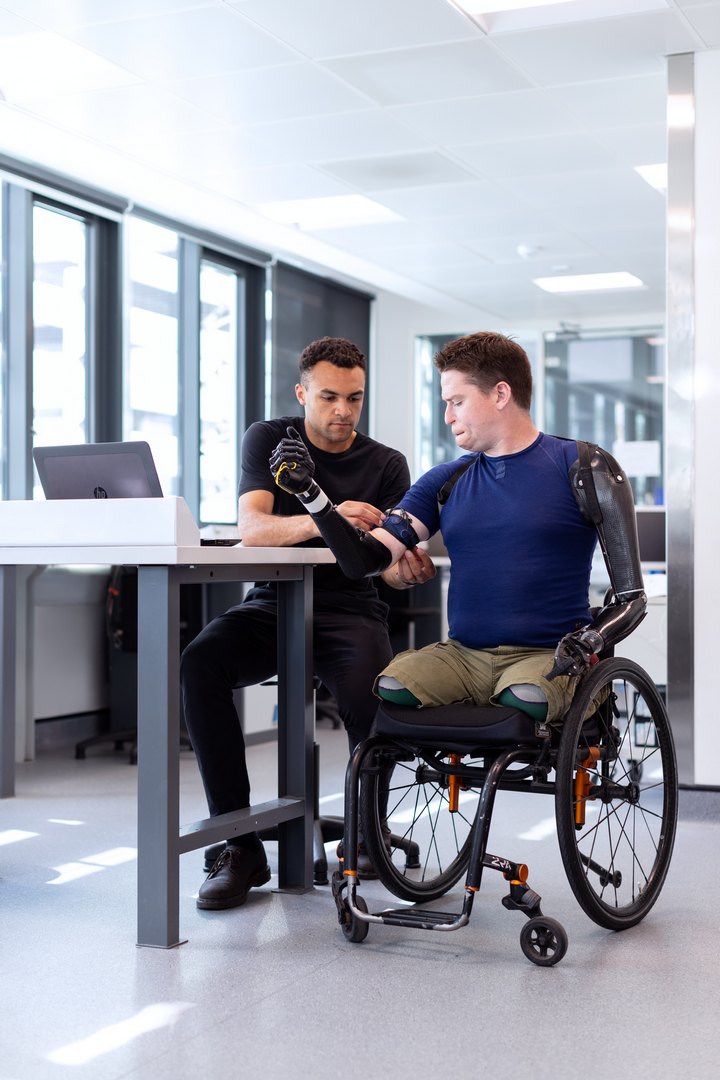

(Photo by ThisIsEngineering from Pexels)