
Interpersonal communication in the older age
1. Elderly people and communication challenges
It is very difficult to set a certain limit of "older" or "senior" age. Aging is a very individual and variable and also an asynchronous process that does not affect the whole organism and all its functions evenly. In any case, poeple are usually referred to as seniors persons in age categories over 65 years (usually this group is also distinguished to younger and older seniors, between whom the age limit is approximately in the range of 75. – 80. year of age), although some experts point out that it would be more appropriate to assess age rather in terms of biological processes and changes in the organism of the person than on the basis of his/her age (Worral; Hickson, 2003).
Communication issues in the older age
We may find a list of common communication issues associated with so-called healthy (physiological) aging (Worral & Hickson, 2003):
Hearing
- Sensitivity to higher tones decreases
- The ability to understand speech in worse acoustic conditions decreases
Language
- The speed and ability to express oneself is reduced
- The ability to understand more complex messages is reduced
Conversation content
- The ability to understand complex and long messages is reduced
- Efficiency decreases and ambiguity of expression increases
- Concentration just on one particular topic topic increases, while communication coherence decreases
Speech
- Decreasing respiratory adequacy when speaking
- Articulation accuracy deteriorates
- The speech rate decreases
Voice
- For men, the voice position increases, for women it decreases
- The voice quality deteriorates
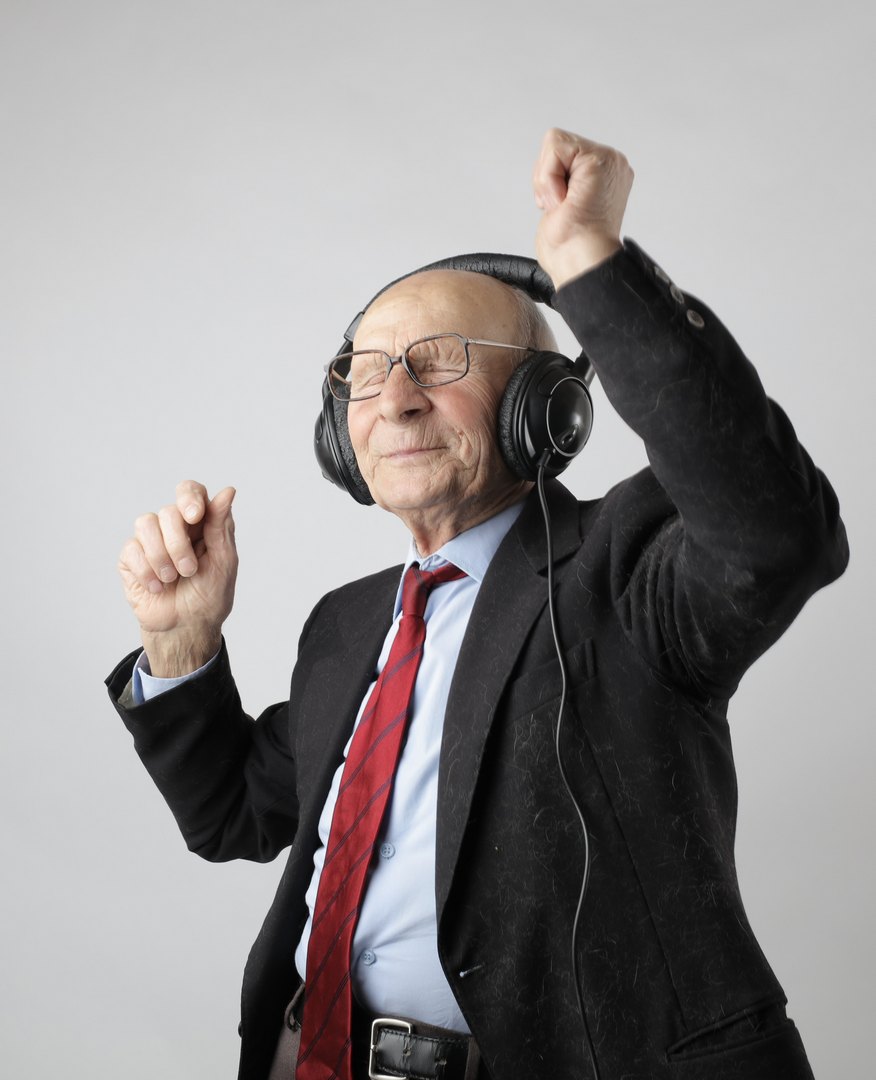
(Photo by Andrea Piacquadio from Pexels)
Some specifics of communication with the elderly persons may be given as natural changes in the body, while others are a consequence of pathological processes that begin to appear more often at this age. |