
Topic 2: Africa in the Era of Decolonization
Perfilado de sección
-
In the Era of Decolonization, we can observe an enormous rise of nationalism, both in terms of each nation and state, as well as in terms of pan-isms, such as Pan-Africanism, Pan-Arabism, Pan-Islamism, Pan-Somalism, etc.
Decolonization in Africa, by its nature, was a social change leading to emancipation of Africans and social and cultural transformation as a necessary alternative to colonial rule. Decolonization after the Second World War was a necessary process that was accelerated by the independence of India and Pakistan although it seems now that the aim of Great Britain (as well as other powers) was not to abandon the Empire, but rather to reinvigorate it. Despite a continuous fall of the Empire, white supremacy did not disappear from the colonized world so quickly as was the example of South Africa. There, the policy of apartheid legitimized the white rule and any kind of equality would question this “legitimacy.” On the other hand, other dominions were for long based on white supremacy and it took a long time until the so-called “first nations,” or the indigenous populations were made equal by law.
The process of decolonization led to continuous and slow (in some cases, such as Guinea, very quick) loss of white supremacy and transfer of power into the hands of local elites, many of them educated in the West and some of them loyal to their colonial masters. Racial superiority began to be challenged by ethno-national, nationalist as well as international movements such as Pan-Africanism. In this process, Ethiopia played a specific role on one hand as an inspiration due to its history of victory over European colonialism, on the other hand, Ethiopia lacked those kinds of links that other colonies had with their former colonial masters.
Africa is also full of various kinds of inequalities and discrepancies which are in one way or another related to the issues of conflicts, violence, migration, and development. In order to make a clearer idea of historical linkages to recent events in some parts of Africa, some concrete case studies are used to depict how deep past played a certain role in recent events, such as in the genocide in Rwanda. Nationalism in Africa, in one way or another, has been a phenomenon studied by many scholars from various disciplines. Nationalism, as a modern phenomenon, was on the rise in Africa since the first half of the 20th century. Despite the fact that in most parts of Africa, nationalist movements began to flourish in the era of decolonization, we can observe the enormous rise of ethno-national movements also in regions that never experienced European colonial rule, like Ethiopia. The ways in which nationalist movements appeared and grew were multiple.Nationalism can be:
Ethnonational
subnational,
national,
consociational,
international,
transnational,
multinational,
supranational.
Each form of nationalism would satisfy some, if not all, of the following attributes:
1) a large centralized government (or state);
2) a common territory;
3) a collective proper name;
4) common myths of ancestry or origin;
5) a common language;
6) a common economic life and policy;
7) common rights and duties for all citizens, plus a common mental makeup;
8) ideological background serving as guidance to leaders of the nationalist movement and contributing to the emergence of the nation;
9) existing links between the masses and the aristocracy;
10) a common public culture or education system.
Photo: Jan Záhořík (Libreville, Gabon)
-
-
Match the country and the capital city
Prepare (while using the internet) short overview of each country and each city on the list - to be discussed during the class.
-
After watching the movies and reading the articles, prepare for the discussion in the class, particularly the following topics/questions:
1) What was, in your opinion, the legacy of the USA and the USSR in Africa, and how did it affect Africa's postcolonial era up to this day?
2) What kind of role does the African diaspora play in the development of postcolonial states in Africa?
3) Was, in your opinion, the creation of African states in postcolonial era a success or gailure? Why?
-
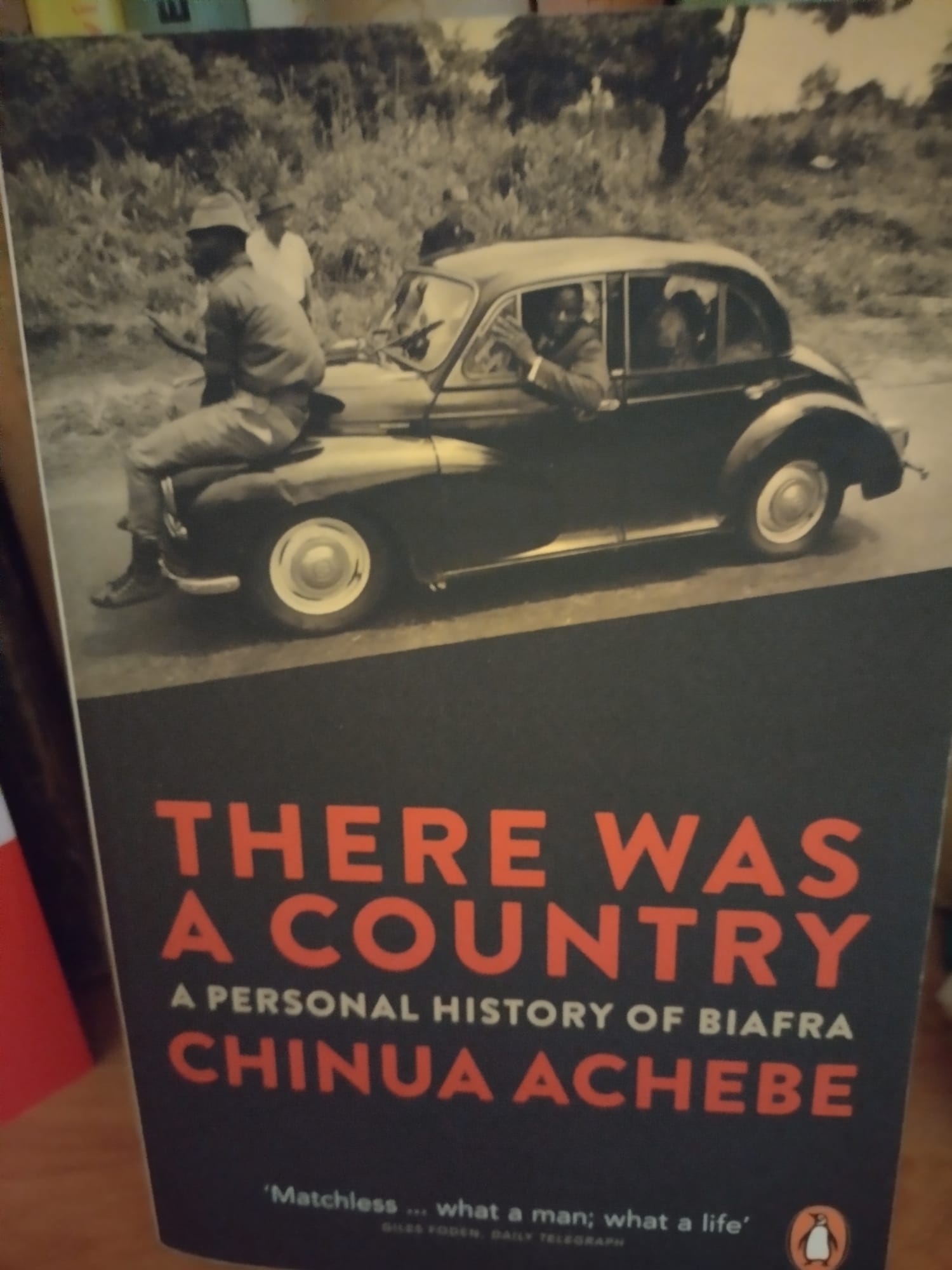
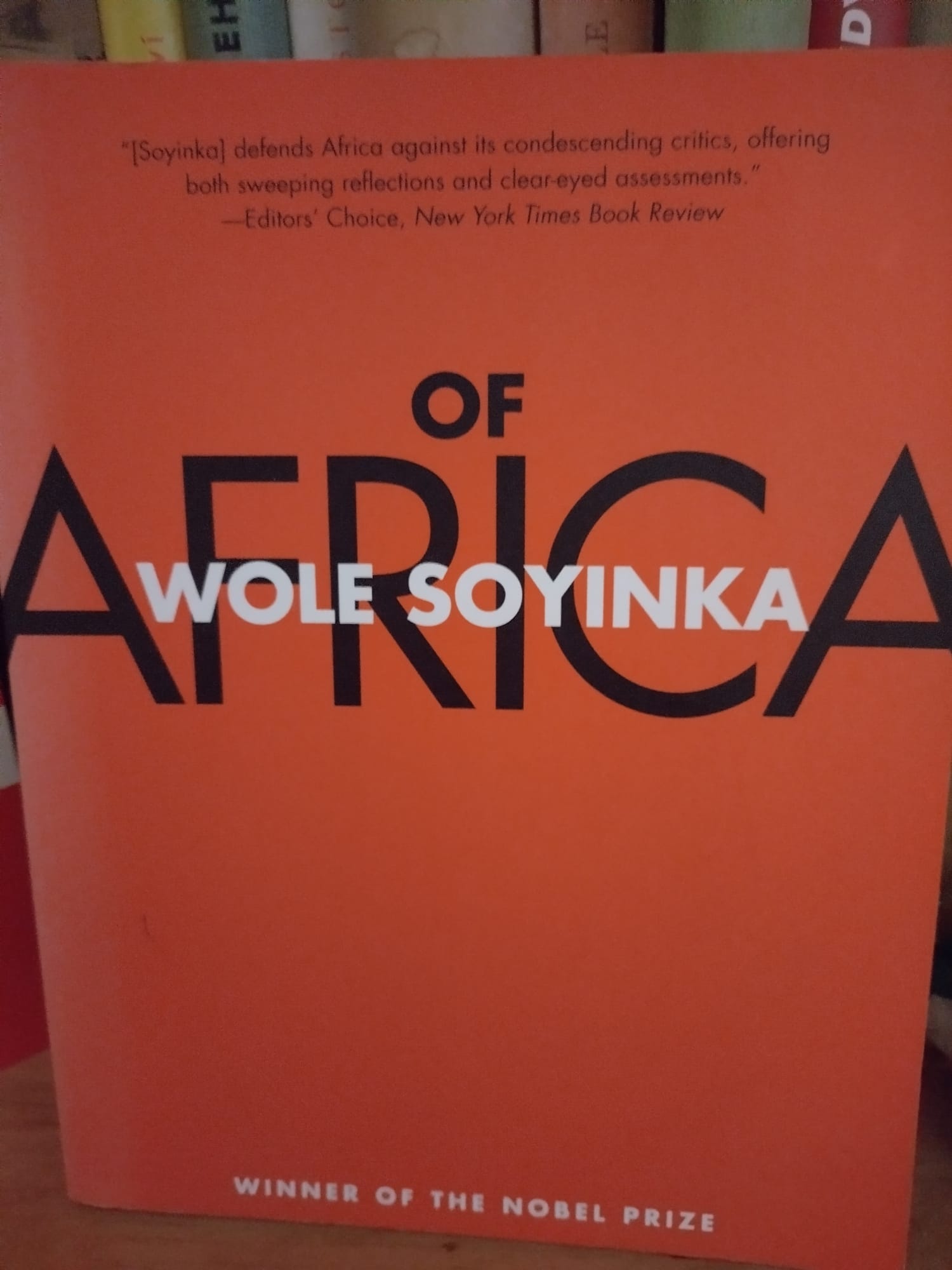
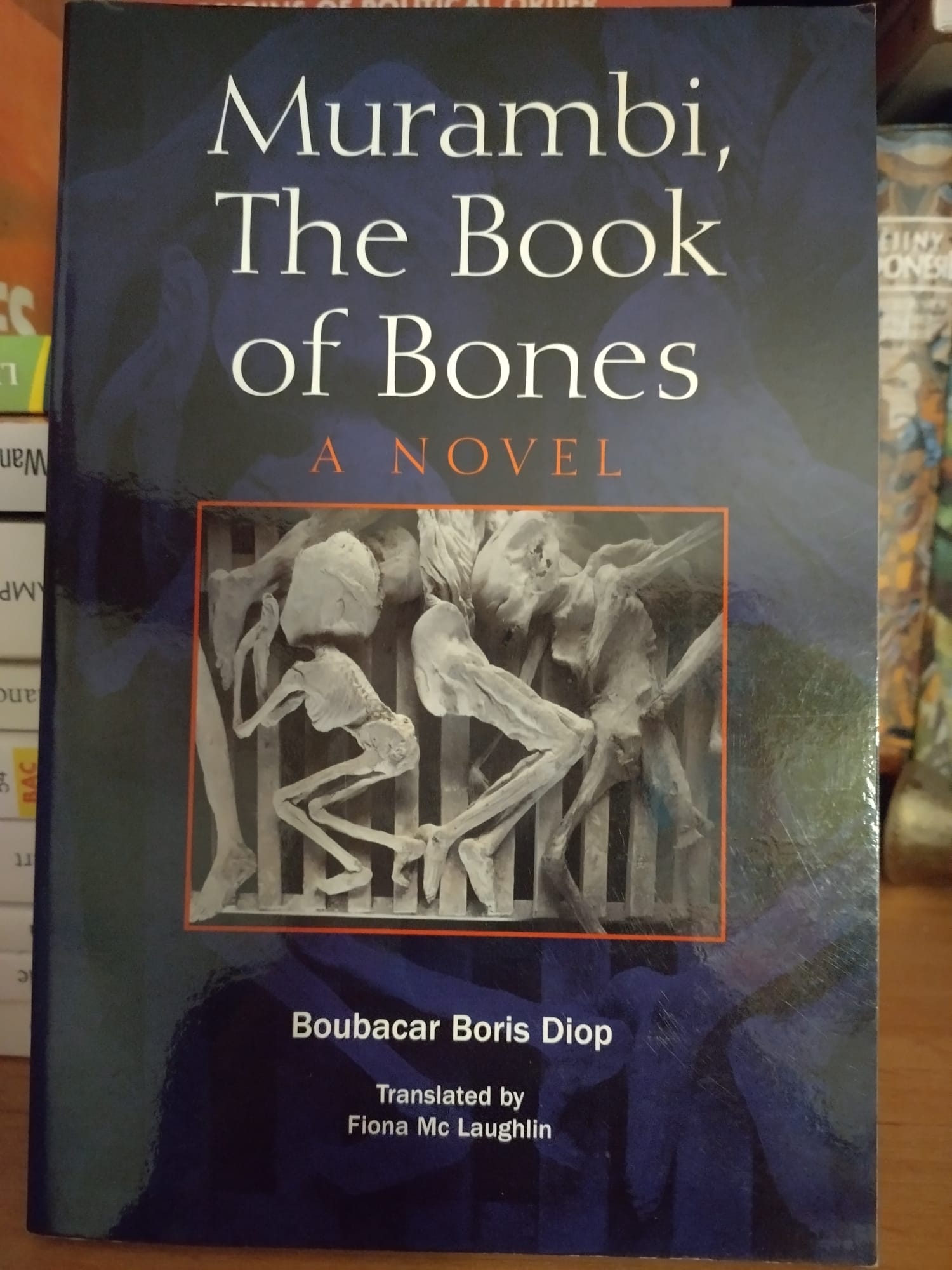 One of the methods how we can broaden our understanding of the African politics and the legacies of colonialism in by reading high quality fiction. Here you can see randomly chosen books by famous authors such as Wole Soyinka or Chinua Achebe dealing with various aspects of colonial and postcolonial history in Africa in a different way than the academic literature. Your task will be to pick one novel from any African author - related to some of the crucial themes of African colonial or postcolonial history. Week 12 each of the students wil present the book in a brief overview so that we can discuss how it broadened your knowledge of Africa. Students have to consult their choices with the lecturer.