
Communication and visual impairment
1. How can visual impairment affect interpersonal communication
Visual impairment means a lost of part or all of our ability to see (or vision). The impairment must persist even with the use of eyeglasses, contact lenses, medication, or surgery. There can be a lot of causes of visual impairment, such as:
- uncorrected refractive errors
- cataract
- age-related macular degeneration
- glaucoma
- diabetic retinopathy
- corneal opacity
- trachoma.
According to WHO International Classification of Diseases 11 (2018), it can be sorted in the following categories:
The time when the impairment occurred also plays an important role in communication. If one lost his/her sight during the life, he/she has probably got a previous visual experience, which is important not only in terms of orientation skills, but also in terms of acquired communication skills. Visual perception (monitoring, visual orientation, etc.) strongly affects the ability of social learning, which is extremely important in interpersonal communication. Therefore, in children with congenital severe visual impairment is essential to start a professional care and support (mostly provided by Early Care Centers) on time, so that the initial development of communication could be supported (reduced vision often results in a low motivation to explore the environment, initiate social interaction, and manipulate objects; the limited ability to explore the environment may affect even early motor development).
Some visual impairments also affect such functions as color discrimination, spatial vision, adaptation to light intensity or control of eye movements. Even in the case of relatively good visual acuities may specific manifestations of these defects have a significantly negative impact on interpersonal communication because they disrupt visual contact and may lead to certain misunderstandings.
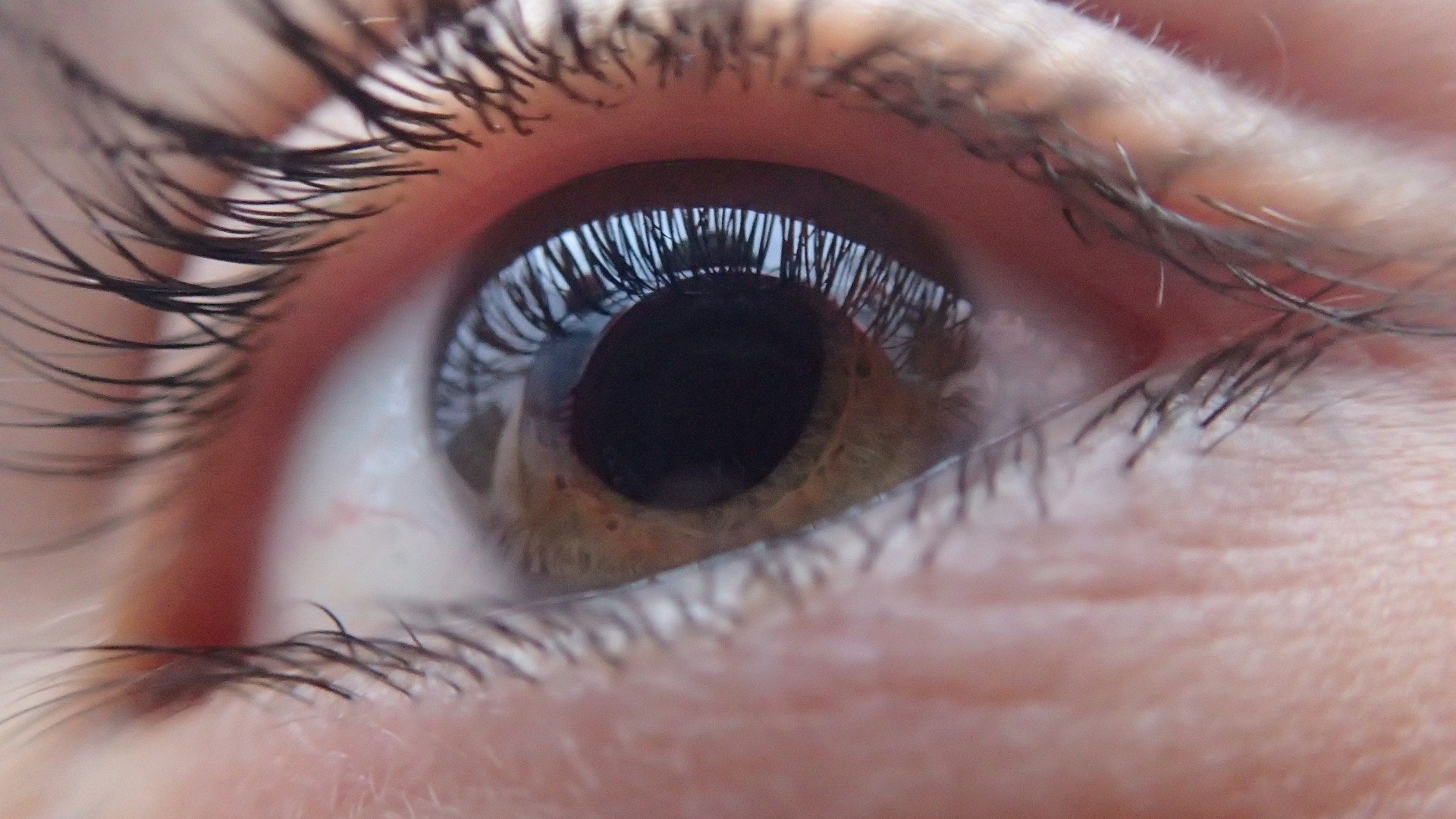
(www.pexels.com)