
COMMUNICATION PROCESS
Social communication
= interaction process where information is
communicated and received.
Communication professionalism
As a teacher, you will communicate with children and pupils, with their parents, with colleagues and school leaders. Communication will be the mainstay of your work. This means that you will be paying for how well you communicate. If I'm paid for something, I have to do it professionally.
Being a professional in the field of communication means :
· to know that communication is an equal part of the working role (as well as the field of knowledge and didactics ...),
· to accept the asymmetry of the communication-professional relationship ( I must not commit communication errors and failures, but the other may commit them. )
Structure of the communication process
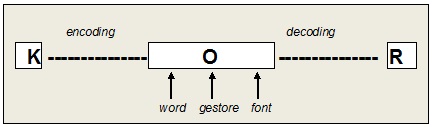
- K – Communicator: the person who sends the information
- R – Recipient: one who receives certain information
- O – Communiqué: Messages
- Communication channel: The way the communication takes place
- The psychic effect of the communiqué received: information in the rational and emotional plane.
The biggest
problems arise in encoding and decoding processes.
The content of the communication message
We must reckon with the fact that the content of each communication message
includes:
- Messages and information
- How to understand the communicated
- My current feelings
- Attitudes to communication
- Self-conception
- The idea of the next course of communication
Components of communication
- Content component - what we are saying.
- Formal component - method of communication.
The form of communication attracts more attention.
Therefore, we also remember the more information
gathered from the forms of communication.